Stratospheric observation network
High-altitude atmospheric data collected via distributed balloon platforms
Mission
Stratolink operates a stratospheric observation network designed to address gaps in atmospheric data collection. Our platform provides high-resolution wind measurements, temperature profiles, and environmental monitoring across regions with limited traditional infrastructure.
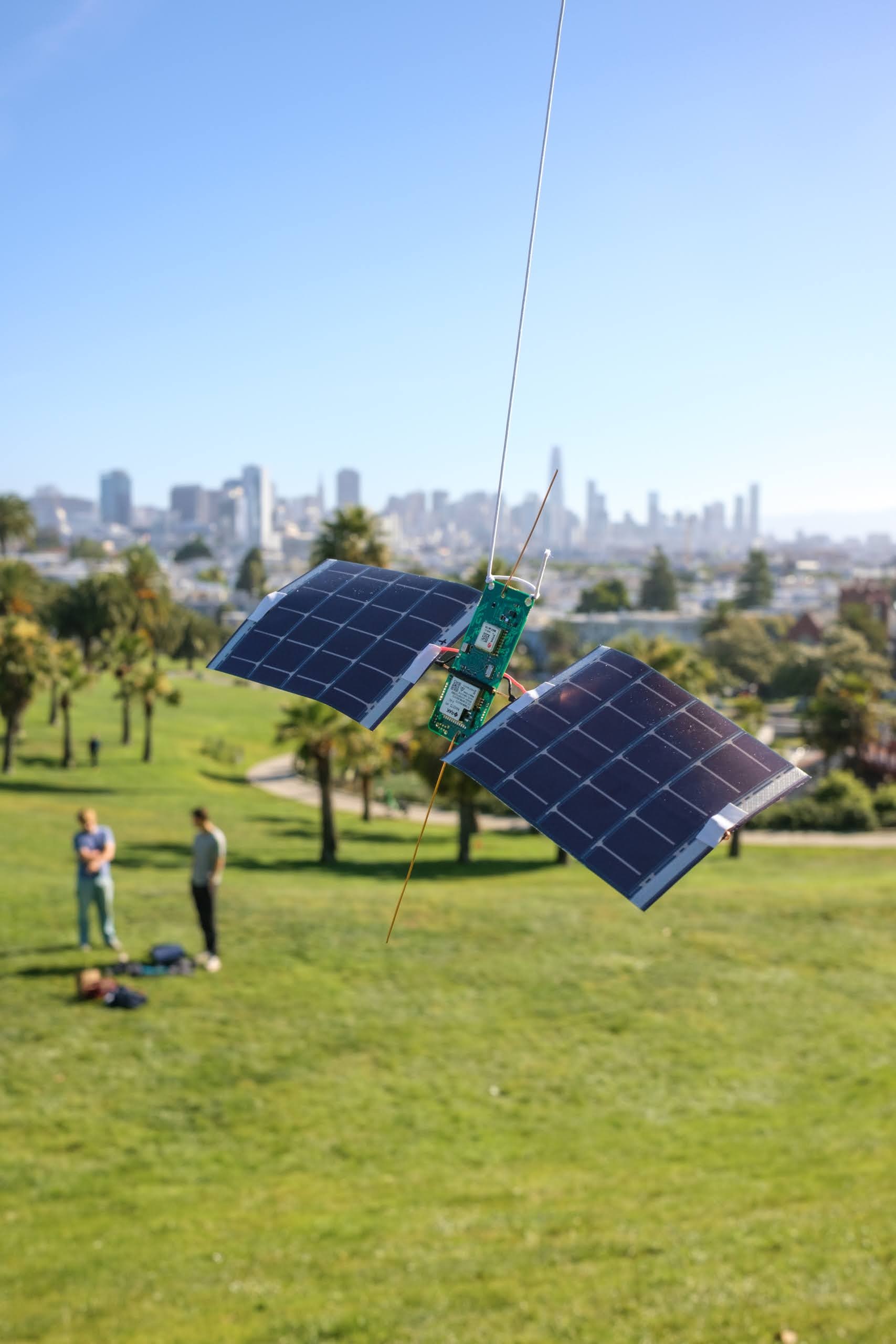
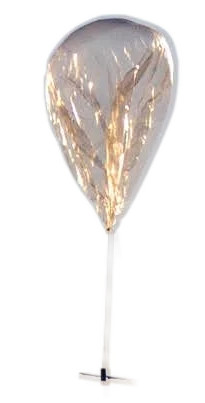
Using long-duration pico balloons equipped with calibrated sensors, we collect continuous atmospheric data between 10-20 km altitude. This altitude band—above weather systems and below satellites—offers unique insights into stratospheric dynamics and long-range transport patterns.
Our datasets are made freely available to researchers, educators, and institutions. We maintain rigorous documentation standards, including sensor specifications, calibration protocols, and quality control procedures, ensuring our data meets the requirements of peer-reviewed research.
Expand upper-air coverage
Deploy cost-effective sensor networks across undersampled regions to increase atmospheric observation density.
Reduce cost per observation
Leverage pico balloon technology to achieve observations at a fraction of traditional radiosonde costs.
Publish open, well-documented datasets
Provide validated, calibrated data with complete metadata for research, education, and operational use.
How It Works
Our observation system uses long-duration balloons that drift with stratospheric wind currents. Each balloon carries calibrated instruments that measure temperature, pressure, position, and other environmental parameters. Data is transmitted in real-time and archived for research access.
Balloon Deployment
Instrumented pico balloons are released from designated launch sites and ascend to operational altitude.
Stratospheric Drift
Balloons enter predictable wind currents in the stratosphere, collecting continuous environmental measurements.
Telemetry & Tracking
Sensor data and position information are transmitted to ground stations via radio telemetry at regular intervals.
Data Validation
Observations undergo quality control, calibration checks, and are published in standardized formats for research use.
Mission Control Dashboard
Real-time tracking, telemetry visualization, and fleet management in a unified interface. Access your balloon network from any device with responsive design optimized for desktop and mobile.
Desktop Experience
3D globe view, detailed telemetry, timeline scrubbing
Mobile Experience
Bottom navigation, swipe gestures, optimized for touch
Real-Time Tracking
Live position updates with 3D globe visualization and flight path history.
Telemetry Analysis
Detailed sensor data with sparkline graphs, health monitoring, and system diagnostics.
Cross-Platform
Responsive design that adapts seamlessly from desktop workstations to mobile devices.
Built For
The Stratolink observation network serves atmospheric science research, climate studies, and institutional data needs. Our platform is designed for applications requiring validated, research-grade measurements.
Atmospheric Research
Continuous monitoring of wind patterns, temperature gradients, and atmospheric composition for climate and weather research.
Climate Monitoring
Track stratospheric temperature trends, ozone distribution, and aerosol transport for long-term climate studies.
Educational Programs
Universities and research institutions access real-time data feeds, historical archives, and calibration documentation for coursework.
Model Validation
Compare forecast model outputs with observed stratospheric conditions to improve weather and climate prediction accuracy.
Future Applications
Beyond atmospheric research, the Stratolink observation network enables new capabilities across conservation, agriculture, and global health monitoring.
Wildlife Protection
Poachers destroy ground towers, and satellite collars cost $3,000. Stratolink creates a dynamic, invisible protection zone from 30,000 ft.
Zero-contact monitoring across protected reserves.
Ocean Debris Tracking
Finding abandoned fishing nets in the Pacific is a needle in a haystack. Our swarm sweeps the ocean surface to locate tagged debris.
Turning cleanup into targeted operations.
Precision Livestock Monitoring
Replacing $500/hr helicopters with autonomous balloons. Farmers get instant visibility to spot sick or injured cattle across remote terrain.
Total herd visibility at scale.
Disease Vector Surveillance
Tracking interaction points between wild migratory birds and domestic farms to predict avian flu outbreaks before they start.
Early warning systems for zoonotic disease.
Development Roadmap
Our development priorities focus on expanding data coverage, improving telemetry reliability, and building tools that enable researchers to access and analyze atmospheric observations. Future releases will include interactive tracking interfaces, historical data queries, and automated quality control pipelines.
We're working toward a publicly accessible platform with documented APIs, standardized data formats compatible with common atmospheric science tools, and collaborative features for the research community.
Global Coverage
Simulated 14-day trajectory showing how our distributed balloon fleet creates comprehensive atmospheric observation coverage across the stratosphere.
Pilot Operations
Initial balloon deployments, sensor validation campaigns, and partnerships with atmospheric research institutions.
Data Platform Launch
Public data archive, API access for researchers, and expanded coverage across priority observation regions.
Operational Network
Continuous observation capabilities, real-time data feeds, and collaborative tools for the atmospheric science community.
Contact
Interested in collaborating, deploying sensors, or accessing atmospheric data? Get in touch with our team.
Or reach us directly at contact@stratolink.org